 0407 412 216
The 5 R’s of Waste Management: An Australian Blueprint for Individuals and Businesses
Managing waste effectively is a crucial part of protecting Australia’s stunning natural landscapes, from the Great Barrier Reef to the outback. We are so lucky. While the global standard often cites three or five pillars, framing waste management around the “5 R’s” (Refuse, Reduce, Reuse, Repurpose, and Recycle) offers a clear, actionable framework tailored for the Australian context.
Embracing these principles isn’t just an ethical choice; it’s a practical strategy for businesses to optimize operations and for individuals to minimise their environmental footprint.
1. Refuse: The First Line of Defence Against Waste
The most impactful action we can take is preventing waste from entering our lives in the first place. This pillar emphasizes conscious consumption and making intentional choices.
- For Individuals: When shopping, politely decline single-use plastic bags (many states and territories have bans anyway). Carry a reusable coffee cup or water bottle. Opt for loose fruit and vegetables at the supermarket rather than pre-packaged items. Say “no” to junk mail by putting a sign on your letterbox.
- For Businesses: Procurement is key. Businesses can set policies to refuse excess packaging from suppliers, or partner with suppliers who offer take-back schemes for crates or pallets. Opt out of printing documents unnecessarily, relying instead on digital systems compliant with the modern workplace.
By simply refusing what we don’t need, we stop the waste stream at its source.
2. Reduce: Minimising Our Material Footprint
When refusal isn’t an option, the goal becomes reduction. This pillar is about using less of everything and making what we do use last longer.
- For Individuals: Buy only the food you need to avoid the massive problem of food waste, which often ends up in landfills producing methane. Plan meals, use a shopping list, and store food correctly. Repair broken electronics, furniture or clothing instead of instantly replacing them.
- For Businesses: Lean operations are inherently sustainable. Optimise production processes to minimise scrap material. Conduct energy and water audits to significantly reduce resource consumption, which cuts overheads and waste simultaneously.
Reduction is a continuous process of optimising our resource use.
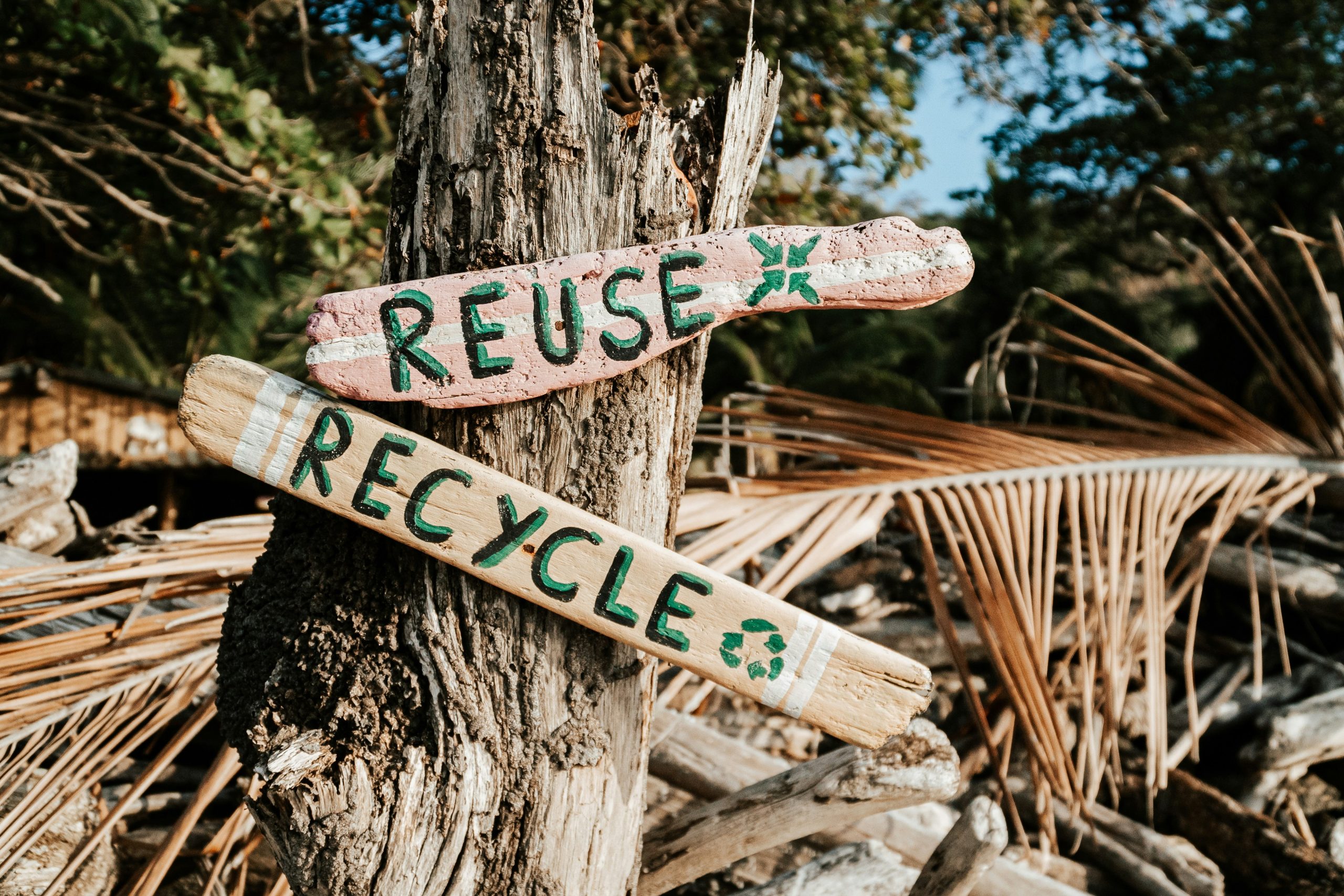
3. Reuse: Extending a Product’s Active Life
Before an item is discarded, consider if it can serve another purpose in its current form. The reuse pillar focuses on diverting items from landfills by giving them a second life.
- For Individuals: Shop at local op shops (opportunity shops) for clothes, furniture, and homewares. Donate your own unwanted goods to charities like the Salvation Army or Vinnies (St Vincent de Paul Society), giving items a new home. Repurpose glass jars for pantry storage or use old towels as cleaning rags.
- For Businesses: Create internal programs for reusing office supplies like binders or folders. Explore second-hand commercial furniture markets when fitting out a new office, or donate surplus IT equipment to community groups when upgrading.
Reuse saves the energy and resources required to manufacture new products.
4. Repurpose: Creative Transformation
Repurposing is closely related to reuse but involves transforming an item for a different use than its original intention. It’s the creative application of materials that might otherwise be considered waste.
- For Individuals: Turn an old suitcase into a pet bed, an empty paint tin into a stylish planter, or single-use plastic bottles into a vertical garden system. Sites like Pinterest are full of “upcycling” ideas that save money and inspire creativity.
- For Businesses: This can involve using discarded shipping containers as portable site offices or storage units. A cafe might use old coffee bean sacks as rustic upholstery or decoration. It’s about seeing waste as a raw material for ingenuity.
Repurposing diverts materials from landfill and can add unique value and character to spaces and products.
5. Recycle: Closing the Loop
Recycling is the final action for items that cannot be refused, reduced, reused, or repurposed. It’s the process of breaking down used materials and manufacturing them into new products.
- For Individuals: Familiarise yourself with your local council’s yellow-top bin guidelines. Use the national RecyclingNearYou website by Planet Ark to find specific drop-off locations for items not accepted in kerbside bins, such as printer cartridges, batteries, and electronic waste. Look for the Australasian Recycling Label (ARL) on packaging to sort correctly.
- For Businesses: Implement clear internal recycling stations. Explore commercial e-waste recycling services for obsolete technology. For businesses producing large volumes of specific waste streams (like cardboard or soft plastics), contacting a commercial waste provider for a dedicated service is essential. This is where Wasteman can help provide a solution for you.
Embracing the Hierarchy
These five R’s form a waste hierarchy for sustainable living and operating. By prioritising the top of the hierarchy (Refuse and Reduce), we can drastically decrease the amount of material that ever reaches the Recycle stage.For all Australians, embracing these 5 R’s isn’t just about environmental compliance; it’s about smart, sustainable living and operating, ensuring our beautiful country remains clean for generations to come.
How Wasteman can Help Close the Loop on the 5R’s
Which of the 5 R’s could you or your business focus on improving?
Don’t let waste worries weigh you down, give us a call to assist you in lightening the load of the 5R’s.
If you’re interested in learning how Wasteman can help you or your business close the loop, please reach out to set up a time to talk with one of our team today.