Roger Freer
10 / 12 / 2025
In an era of conscious consumerism and stringent environmental regulations, what happens when a product reaches the end of its life cycle, fails quality control, or, most critically, poses a security risk? The answer isn’t a simple trip to the nearest skip bin. In Australia, the process of secure product destruction is a vital, sophisticated industry designed to protect brands, prevent fraud, and meet legal and environmental obligations.
For both businesses and individuals dealing with sensitive items, understanding the mechanics of product destruction is essential for operating ethically and legally in the Australian market.
Product destruction is the process of permanently and irreversibly destroying goods to ensure they cannot be resold, reused, or fall into the wrong hands. It’s about maintaining integrity in an increasingly complex supply chain.
The necessity of this process is driven by several key factors:
Counterfeit goods are a global problem, and Australia is not immune. When products are faulty, expired, or have reached a recall status, they must be destroyed to prevent them from being reintroduced into the market as genuine articles. Uncontrolled disposal can lead to intellectual property theft or grey-market sales, eroding customer trust and brand value.
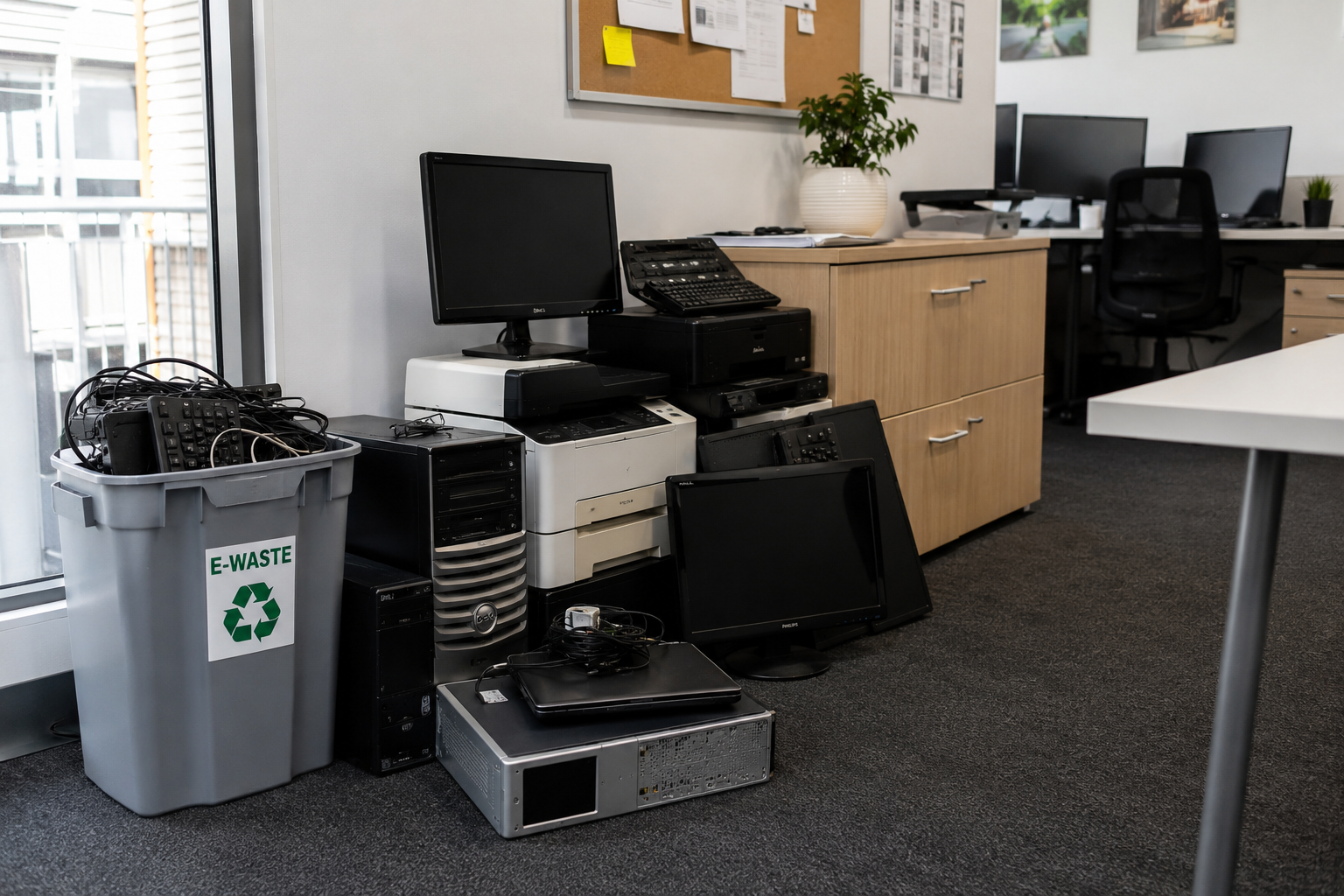
Australia has strict regulations regarding the disposal of certain materials. Electronic waste (e-waste) often contains hazardous substances like lead and mercury. Simply landfilling these items is illegal and harmful to the environment. Specialized product destruction facilities ensure disposal complies with federal and state environmental protection authorities (EPAs).
Many products contain sensitive data. Hard drives, USB sticks, old mobile phones, and even branded uniforms can pose a significant data breach risk if not destroyed correctly. Professional destruction services offer certified data wiping and physical shredding to ensure confidentiality.
While individuals rarely require commercial product destruction services, several Australian industries rely on them heavily:
Engaging a professional, accredited product destruction service in Australia ensures transparency and compliance. The typical process involves several secure stages:
Step 1: Secure Collection and Transport
Items are collected from your premises in GPS-tracked vehicles and sealed containers, providing a secure chain of custody from your door to the destruction facility.
Step 2: Destruction Method
The appropriate method is chosen based on the material. This might include high-impact shredding, granulation, incineration (for biohazards or highly sensitive materials), or degaussing (for data wiping). The goal is irreversible destruction.
Step 3: Certification and Reporting
This is a critical step for compliance. Upon completion, clients receive a Certificate of Destruction (COD). This legally binding document details what was destroyed, when, where, and by what method, providing an audit trail for regulatory bodies.
Step 4: Resource Recovery
The modern Australian approach integrates the circular economy. Post-destruction, materials are segregated. Metals are sent to smelters, plastics are baled for recycling, and paper is pulped. The emphasis is on maximising resource recovery rather than simply landfilling the shredded waste.
When selecting a product destruction provider, businesses should look for adherence to Australian standards:
For a directory of accredited providers across Australia, the Waste Management and Resource Recovery Association of Australia (WMRR) is a valuable resource for finding ethical and compliant partners.
In Australia, we have moved beyond a linear “take-make-dispose” model. Responsible product destruction is the final, crucial step in a product’s lifecycle, ensuring that while the product itself is gone, its impact on your business reputation and the environment is minimised.
By engaging professionals like Wasteman Rubbish Removal, we can ensure that unwanted goods are handled with the security and integrity the process demands, safeguarding assets and our unique environment for the future.
Let our team guide you through to your custom solution.

 0407 412 216