Call Now
Our Jobs Vary

The Great Australian Downsize: Conquering Rubbish and Unwanted Items When You Move

Decorative Hearts And Cord Between Two House Models On Pale Yellow Background Symbolizing Connection In Long Distance Relationship

Where to Start Sorting Rubbish and Unwanted Items When You Move

Downsizing your home is a significant milestone; whether you’re moving to a smaller house, a retirement village, or simply seeking a simpler, less cluttered life.  In Australia, the process often brings a startling revelation: we own a lot of stuff. The challenge isn’t just fitting your life into a smaller space; it’s managing the mountain of rubbish and unwanted items you uncover along the way.
For anyone embarking on this journey, tackling the clutter efficiently is the key to a stress-free move. Here is your guide to navigating the great downsize and managing your unwanted items responsibly.

The Downsizing Dilemma: More Than Just Moving Boxes

The physical act of downsizing is often emotional.  Items hold memories, and deciding what stays and what goes can be tough.  The sheer volume of items that are no longer needed can feel overwhelming.  The goal is to sort through decades of accumulated belongings and dispose of them in a way that is kind to the environment and your wallet.
The average Australian household generates a significant amount of waste during a move, much of which can be recovered or recycled. Your approach to this waste can make a big difference.
Step 1: The Sort, The Keep, and The Cull

Professional Organizer: Woman Clean, Sort
Professional Organizer: Woman Clean, Sort, And Downsize Client’s Wardrobe.

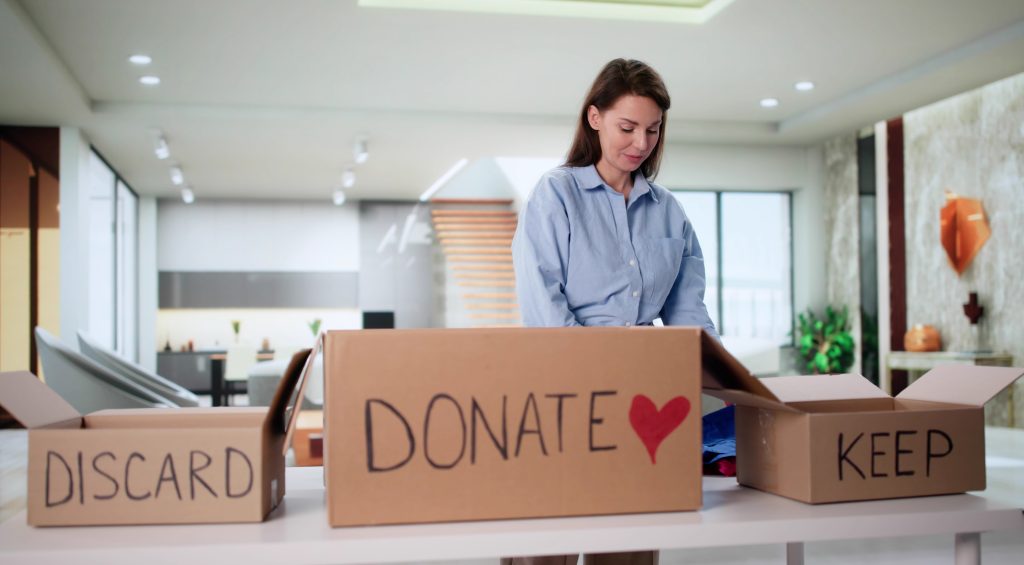
Before you worry about disposal, you need a system. The classic “four-box method” is a great starting point:

  1. Keep: Items you use regularly and genuinely need in your new, smaller home.
  2. Donate/Sell: Items in good condition that someone else can use.
  3. Rubbish: Items that are broken, soiled, or have no recoverable value.
  4. Recycle/E-waste: Specific materials that require specialised disposal (electronics, batteries, paint, chemicals).

Be ruthless.  If you haven’t used it in two years, you likely won’t miss it.  For guidance on sorting specific items, the national RecyclingNearYou website by Planet Ark is an invaluable resource for finding local solutions.

Step 2: Sustainable Disposal Options in Australia

Once you’ve sorted your items, you need to move them out of your house.  Australia offers numerous options beyond the standard landfill bin.

Donate & Resell (The Preferred Option)

Giving items a second life is the most environmentally friendly choice.

  • Charity Shops: Organisations like the Salvation Army and Vinnies (St Vincent de Paul Society) accept clean, usable furniture, clothing, and household goods.  Ensure items are in a condition you would happily buy yourself.  Check their websites for pickup services for larger items.
  • Online Marketplaces: For furniture or vintage items, Facebook Marketplace, Gumtree, or eBay can turn unwanted items into cash, helping fund your move.

The Rubbish Pile: Managing True Waste

For items that genuinely have no other purpose, you have a few choices:

  • Kerbside Collection: Most Australian councils offer annual or on-demand hard rubbish collection services.  Check your local council’s website for booking procedures and accepted items.
  • Hiring a Skip Bin: This is a popular option for large-scale cleanouts.  Ensure you hire from a reputable company that provides transparency on where the waste goes.  Many modern skip bin operators sort the contents at a transfer station to maximise recycling rates.  Or save yourself the back breaking work and let us take it away.
  • Local Landfill/Tip: You can transport waste yourself to your local waste management facility.  Be aware of fees and sorting requirements at the gate.  Or better yet, give us a call to do it for you.
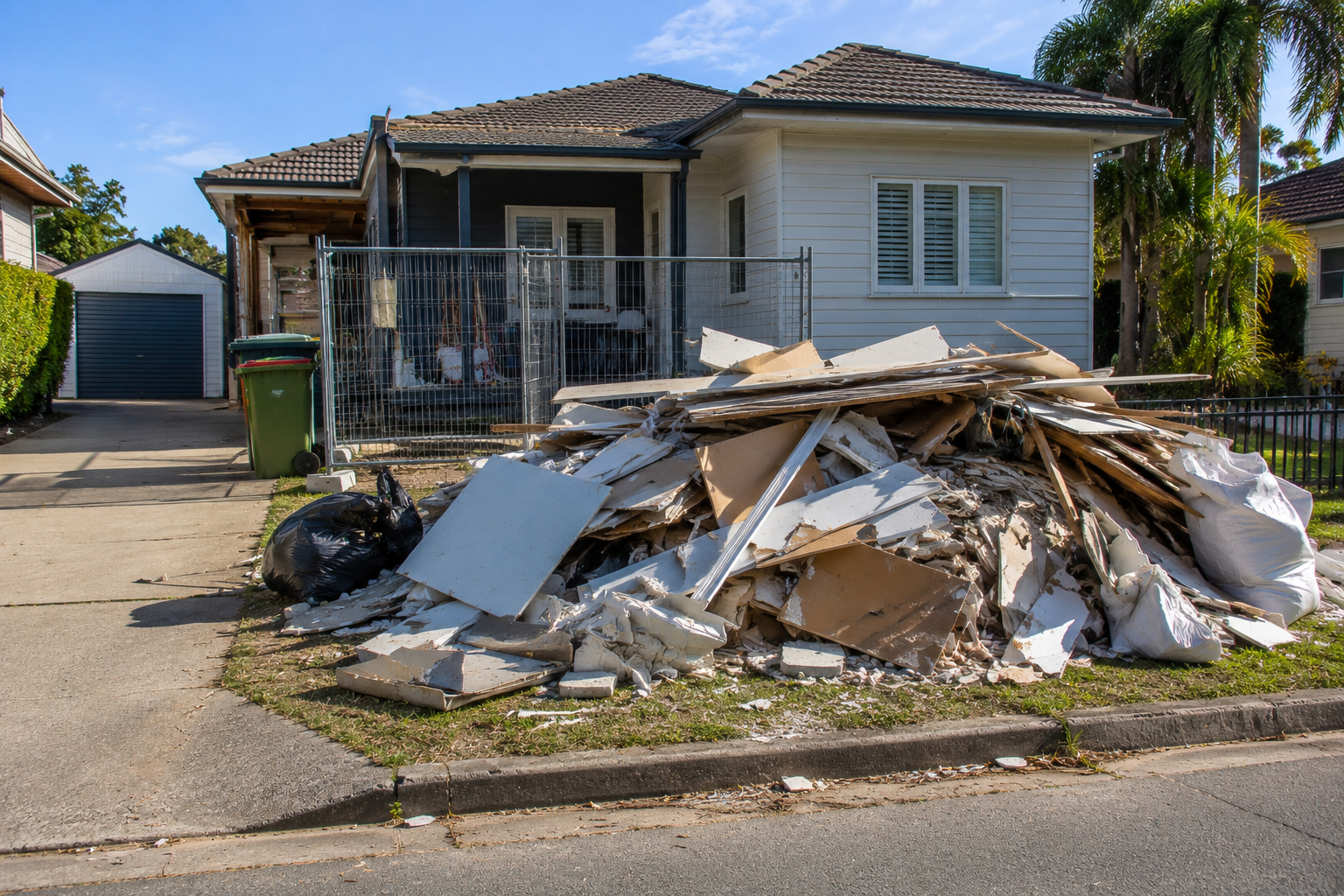
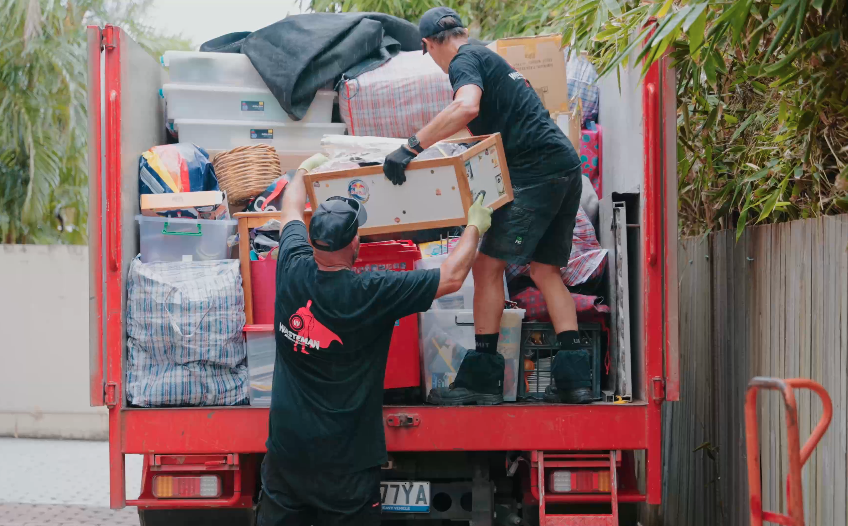
  • Rubbish Removal Services: our professional service collects and disposes of unwanted waste materials from homes or businesses.  We handle a wide range of items, including general household rubbish, old furniture, construction debris, and yard waste.  Wasteman saves you time and effort by doing the heavy lifting and responsible disposal, which often involves recycling or donating usable items instead of sending everything to landfill.

Step 3: Tackling the Tricky Stuff (E-waste & Chemicals)

Certain items cannot go in the regular bin or skip bin due to environmental hazards.
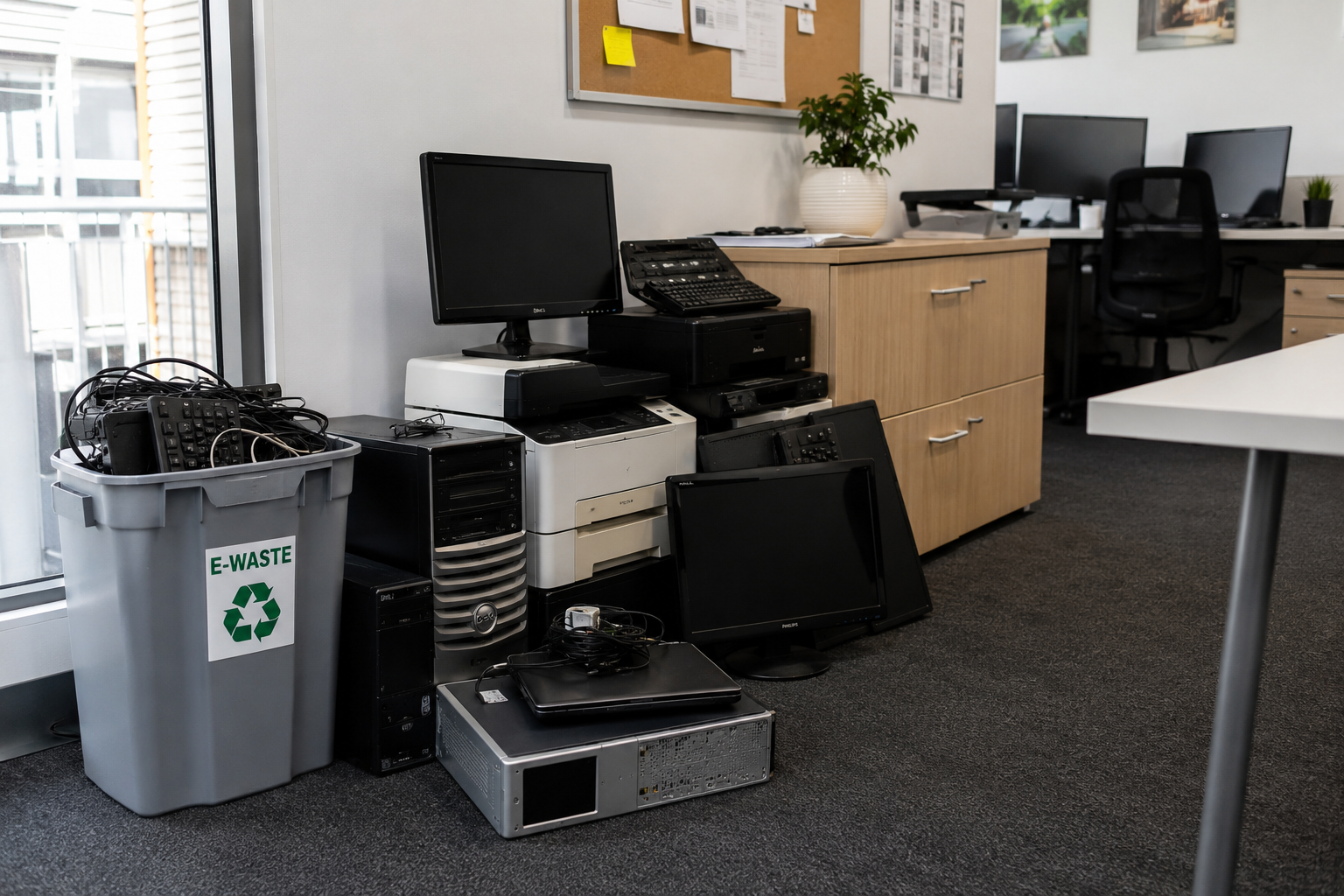
  • E-waste: Old TVs, computers, printers, and appliances contain valuable metals and toxic chemicals.  Under the National Television and Computer Recycling Scheme, there are free drop-off points nationwide.  Visit RecyclingNearYou for your nearest location.
  • Hazardous Waste: Paints, solvents, motor oils, and garden chemicals must be disposed of safely.  State environmental agencies often run household hazardous waste programs.

    Screenshot 2026 01 13 At 11.24.41 am
    Wasteman Professional Rubbish Removal Service gets it done right, allowing you to focus on what’s important.

Why Responsible Disposal Matters

When you downsize, you are making a choice for a simpler life.  Extending that choice to how you manage your waste aligns with sustainable Australian values.  Improper disposal costs councils money and harms our unique environment.  By donating, recycling, and disposing of true rubbish responsibly, you lighten your own load and contribute to a healthier Australia.

Downsizing is an opportunity for a fresh start.  By following these steps, you can ensure that your move is efficient, clutter-free, and environmentally conscious.

If you feel overwhelmed or would like some assistance in making your downsizing task and rubbish removal a lot easier, give us a call to see how our Wasteman Team can come to the rescue.