The process of clearing a deceased estate is emotionally challenging. Alongside processing grief, family members must sort through personal belongings, decide what to keep or donate, and manage the disposal of unwanted items. This sensitive task requires both compassion and efficiency.
Clearing a deceased estate in Queensland, Australia, involves two main processes: the legal administration of the estate’s assets and liabilities, and the physical clearing of the deceased person’s property.
Part 1: Legal Administration of the Estate
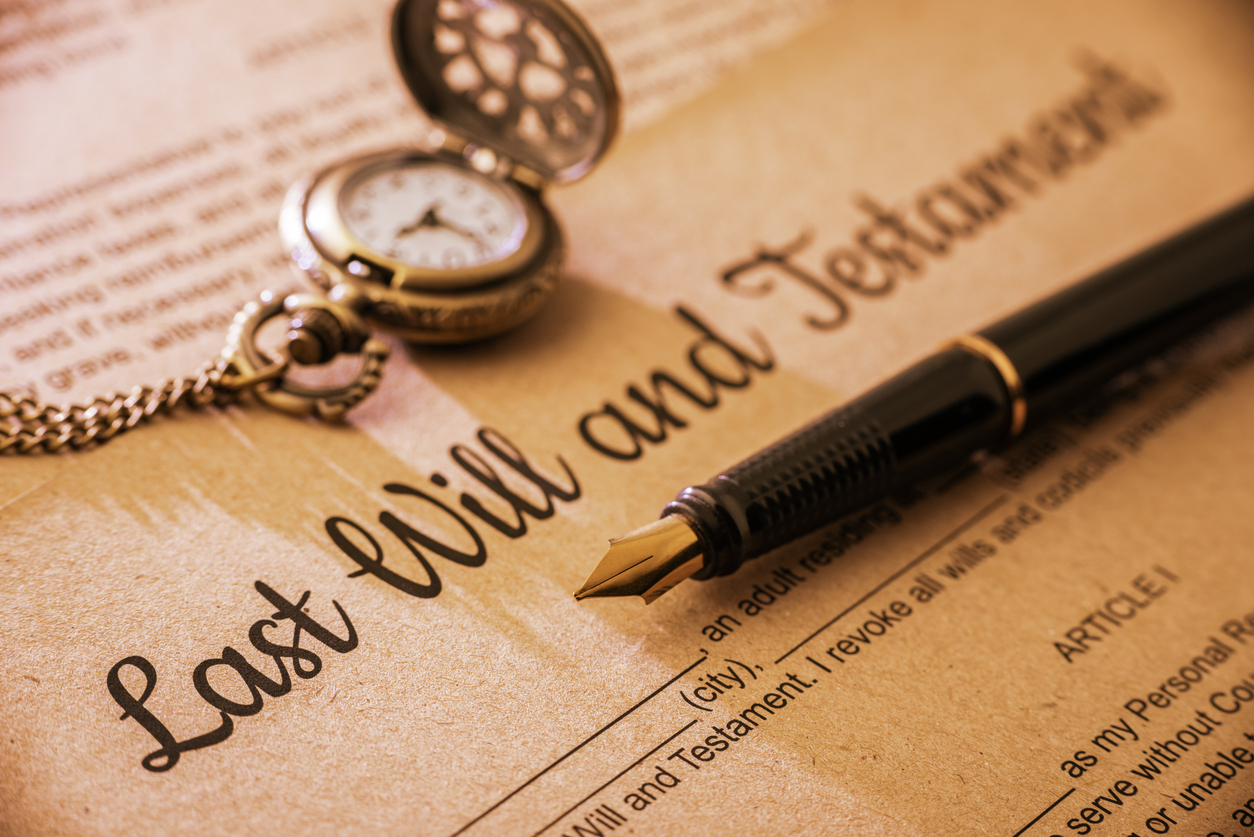
Of all important documents, essential is the last will and testament.
The legal process is typically managed by the executor (if there is a Will) or an administrator (if there is no Will, known as intestacy).
Locate the Will and Secure Documents: The first step is to locate the deceased’s Will (if one exists) and secure all relevant documents, including birth/death/marriage certificates, bank statements, insurance policies, property deeds, and tax returns.
Determine if a Formal Administration is Required: For estates with minimal assets or those that are jointly held, a formal administration process might not be necessary. A legal professional can provide guidance.
Apply for a Grant of Probate or Letters of Administration:
Grant of Probate is the Supreme Court of Queensland’s official recognition of the Will and the executor’s authority to manage the estate. An executor must wait at least 21 days after the death before applying.
Letters of Administration are granted by the Court if the person died without a valid Will (intestate), appointing an administrator to manage the estate according to the rules of intestacy outlined in the Succession Act 1981.
Confirm Assets and Liabilities: The executor/administrator must identify and value all assets (property, bank accounts, investments, etc.) and determine all debts and liabilities.
Pay Debts and Taxes: All outstanding debts, final bills, and tax matters must be settled using the estate’s funds before any distribution to beneficiaries.
Manage Assets: This may involve managing the sale or transfer of assets, such as real estate through Titles Queensland, or handling business interests.
Distribute the Estate and Finalise Accounts: Once all debts and taxes are paid, the remaining assets are distributed to the beneficiaries as specified in the Will or by the laws of intestacy. A final statement of accounts should be prepared for the beneficiaries.
The Queensland Public Trustee offers services to guide executors or act as the administrator for the estate.
For our clients based in NSW, you can find the relevant information here NSW Trustee and Guardian
Part 2: Physical Clearing of the Property
Clearing an estate is often left to family. You need not be burdened by this responsibility.
The physical clear-out can be an emotional process.
It’s recommended to keep a few simple strategies in mind:
Start with less emotional areas: Begin with spaces like garages or utility rooms before tackling more personal areas like bedrooms.
Take breaks: Schedule rest periods to process emotions rather than pushing through continuously.
Document memories: Consider photographing meaningful items that cannot be kept but hold sentimental value.
Seek help when needed: Professional services can assist with particularly challenging aspects.
When doing the physical clear out, is recommended to follow a systematic approach:
Secure the Property: Ensure the home is secure and redirect the mail.
Allow sufficient time: Estate clearance typically takes longer than expected. There are many items to sort, documents to destroy. It takes time as items trigger memories and require thoughtful decisions.
Involve family members appropriately: Consider having specific family members focus on areas of the home where they have less emotional attachment.
Create an Inventory: Make a record of all items in the home, which helps track the deceased’s possessions and avoids disputes among beneficiaries.
Sort Belongings: Categorise items into “keep,” “sell,” “donate,” and “throw away” piles.
Allow family members time to select sentimental items they wish to keep.
Consider professional appraisals for valuable items like art or jewellery.
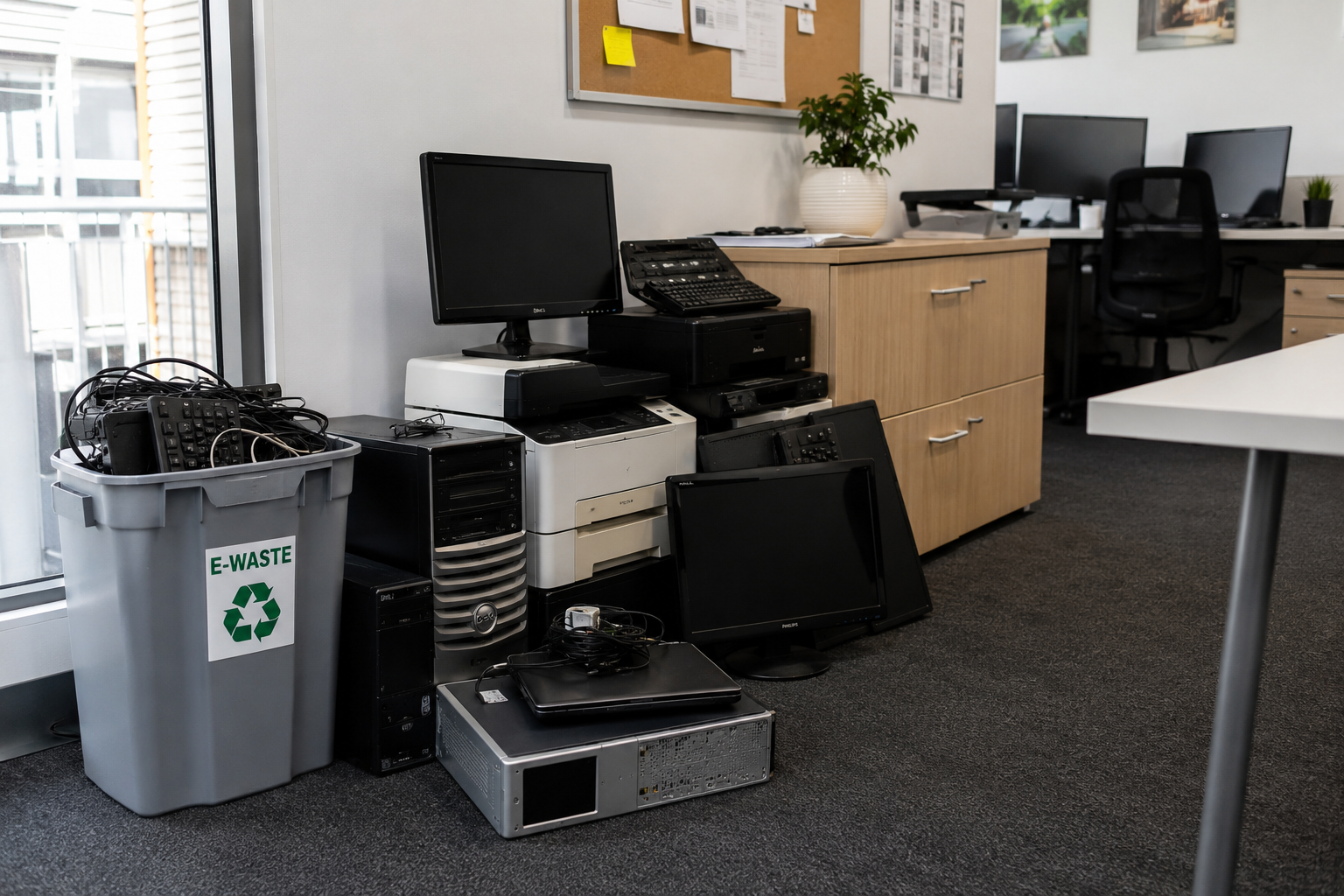
Hazardous materials: Set aside items like medications, chemicals, paint, electronics and white goods for specialised rubbish disposal.
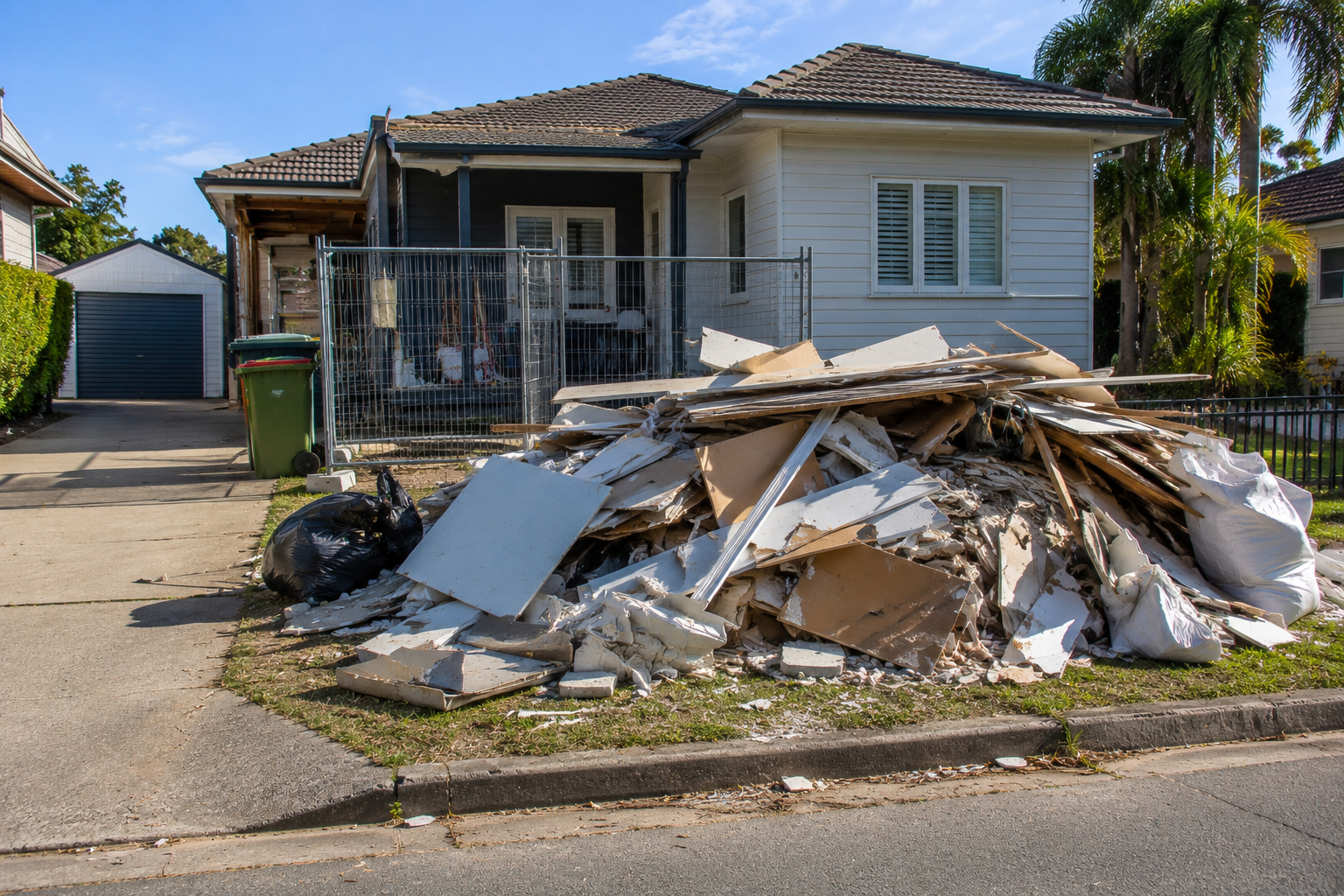
Dispose of Unwanted Items: Arrange for waste removal, a rubbish removal service or skip bins, and ensure confidential documents are securely shredded. Re-use and donation to charity should be prioritised where possible; this is where a dedicated rubbish removal company like Wasteman can help sort, donate, recycle and responsibly dispose of unwanted items.
Clean and Prepare the Property: Once cleared, the property should be thoroughly cleaned. Necessary repairs may be needed to prepare it for sale or rent.
Professionals, such as estate lawyers, specialised cleaning services or rubbish removal services, can be hired to assist with either the legal or physical aspects of clearing the estate.
By approaching estate clearance with both sensitivity and practical organisation, you can honour your loved one, while efficiently preparing their property for its next phase. Wasteman Deceased Estate Rubbish Removal can provide an essential service in this process, offering discrete, caring and efficient waste management during an emotionally demanding time.




 0407 412 216