Call Now

Deceased Estate Clearance: A Compassionate Approach to Property Cleanup

The process of clearing a deceased estate is emotionally challenging. Alongside processing grief, family members must sort through personal belongings, decide what to keep or donate, and manage the disposal of unwanted items.  This sensitive task requires both compassion and efficiency.

Clearing a deceased estate in Queensland, Australia, involves two main processes: the legal administration of the estate’s assets and liabilities, and the physical clearing of the deceased person’s property.

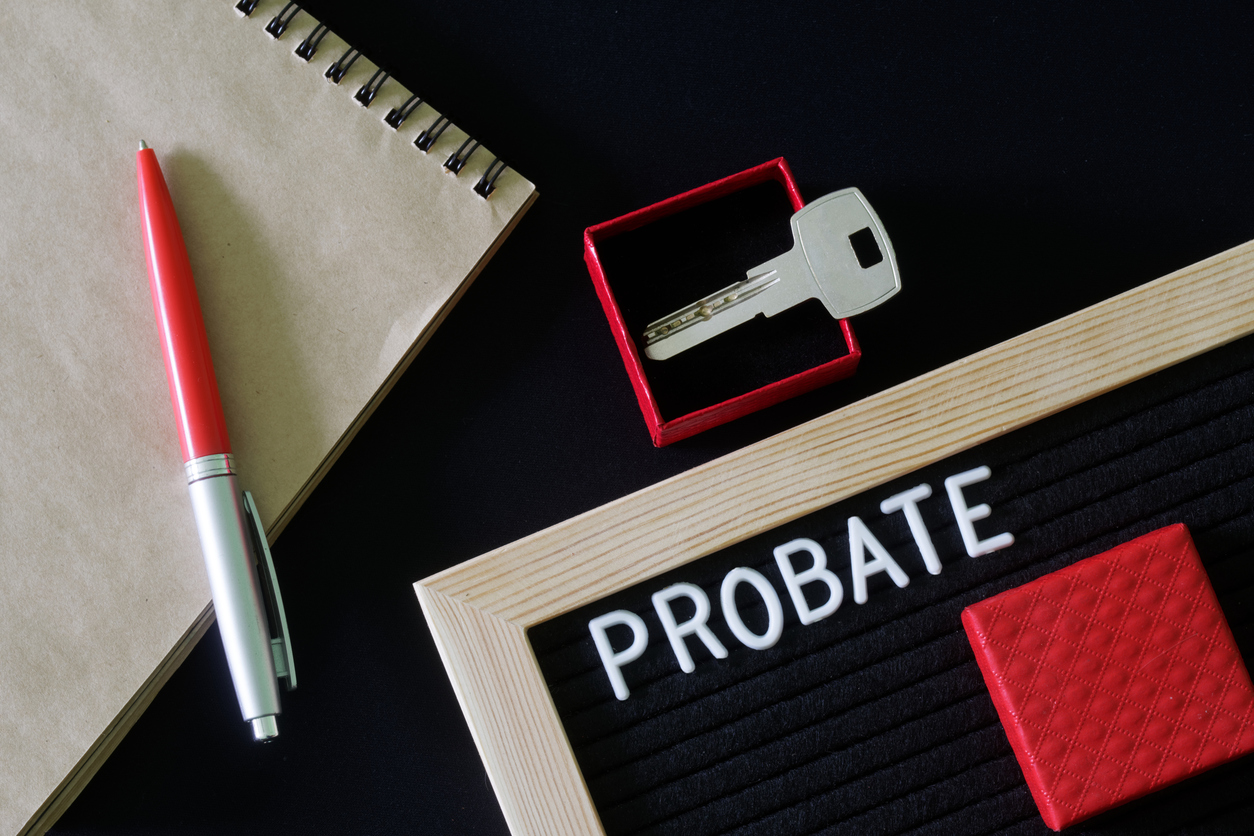
Part 1: Legal Administration of the Estate
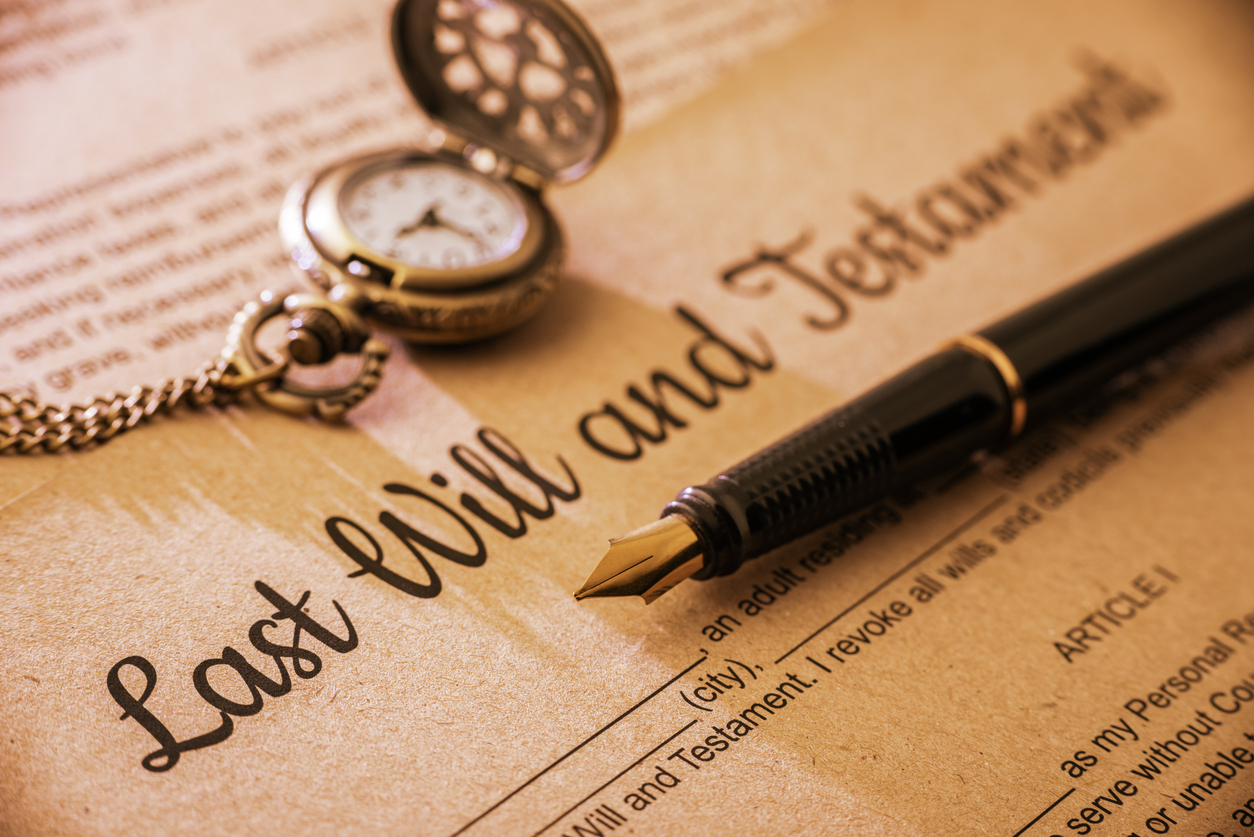
Fountain Pen, Pocket Watch On A Last Will And Testament.
Of all important documents, essential is the last will and testament.

The legal process is typically managed by the executor (if there is a Will) or an administrator (if there is no Will, known as intestacy).

  1. Locate the Will and Secure Documents: The first step is to locate the deceased’s Will (if one exists) and secure all relevant documents, including birth/death/marriage certificates, bank statements, insurance policies, property deeds, and tax returns.
  2. Determine if a Formal Administration is Required: For estates with minimal assets or those that are jointly held, a formal administration process might not be necessary. A legal professional can provide guidance.
  3. Apply for a Grant of Probate or Letters of Administration:
    • Grant of Probate is the Supreme Court of Queensland’s official recognition of the Will and the executor’s authority to manage the estate. An executor must wait at least 21 days after the death before applying.
    • Letters of Administration are granted by the Court if the person died without a valid Will (intestate), appointing an administrator to manage the estate according to the rules of intestacy outlined in the Succession Act 1981.
  4. Confirm Assets and Liabilities: The executor/administrator must identify and value all assets (property, bank accounts, investments, etc.) and determine all debts and liabilities.
  5. Pay Debts and Taxes: All outstanding debts, final bills, and tax matters must be settled using the estate’s funds before any distribution to beneficiaries.
  6. Manage Assets: This may involve managing the sale or transfer of assets, such as real estate through Titles Queensland, or handling business interests.
  7. Distribute the Estate and Finalise Accounts: Once all debts and taxes are paid, the remaining assets are distributed to the beneficiaries as specified in the Will or by the laws of intestacy. A final statement of accounts should be prepared for the beneficiaries.

The Queensland Public Trustee  offers services to guide executors or act as the administrator for the estate.

For our clients based in NSW, you can find the relevant information here NSW Trustee and Guardian

Part 2: Physical Clearing of the Property

Young Son Helping Parents To Unload A Cargo Van With Furniture And Accessories For Their New Home In Successful Residential Area. Kid Bringing A Plant To His Mother. Family Moving To Their New Home.
Clearing an estate is often left to family. You need not be burdened by this responsibility.

The physical clear-out can be an emotional process.

It’s recommended to keep a few simple strategies in mind:

  • Start with less emotional areas: Begin with spaces like garages or utility rooms before tackling more personal areas like bedrooms.
  • Take breaks: Schedule rest periods to process emotions rather than pushing through continuously.
  • Document memories: Consider photographing meaningful items that cannot be kept but hold sentimental value.
  • Seek help when needed: Professional services can assist with particularly challenging aspects.

When doing the physical clear out, is recommended to follow a systematic approach:

  • Secure the Property: Ensure the home is secure and redirect the mail.
  • Allow sufficient time: Estate clearance typically takes longer than expected. There are many items to sort, documents to destroy. It takes time as items trigger memories and require thoughtful decisions.
  • Involve family members appropriately: Consider having specific family members focus on areas of the home where they have less emotional attachment.
  • Create an Inventory: Make a record of all items in the home, which helps track the deceased’s possessions and avoids disputes among beneficiaries.
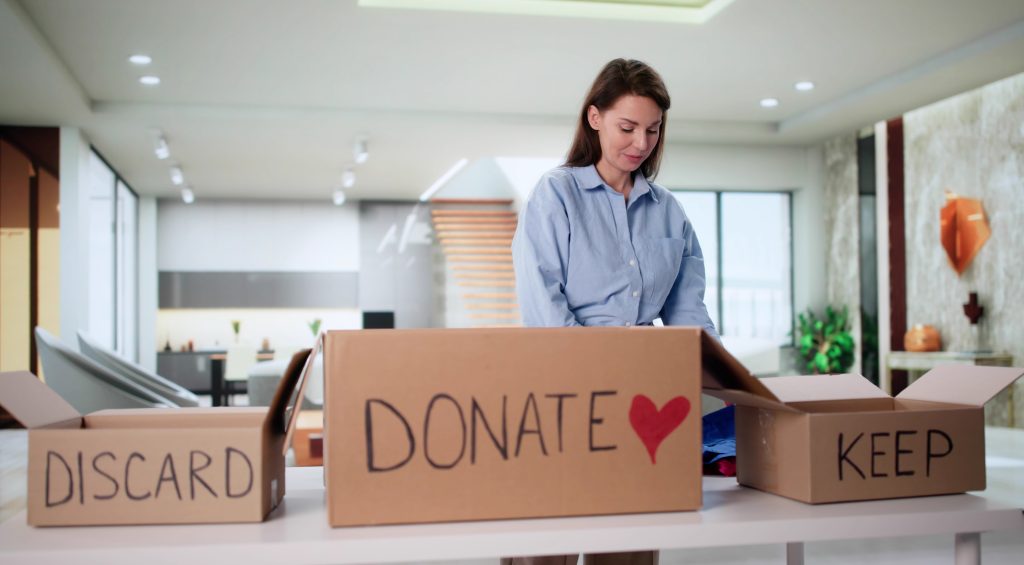
  • Sort Belongings: Categorise items into “keep,” “sell,” “donate,” and “throw away” piles.
    • Allow family members time to select sentimental items they wish to keep.
    • Consider professional appraisals for valuable items like art or jewellery.
  • Hazardous materials: Set aside items like medications, chemicals, paint, electronics and white goods for specialised rubbish disposal.
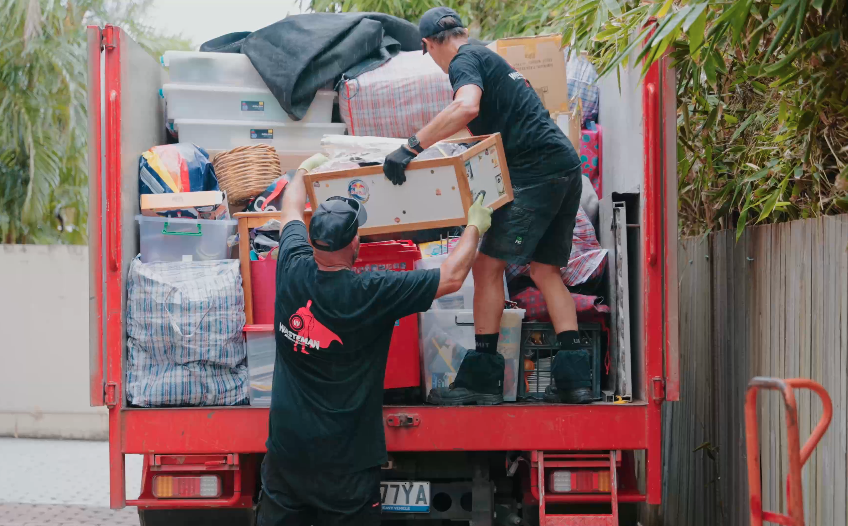
  • Dispose of Unwanted Items: Arrange for waste removal, a rubbish removal service or skip bins, and ensure confidential documents are securely shredded. Re-use and donation to charity should be prioritised where possible; this is where a dedicated rubbish removal company like Wasteman can help sort, donate, recycle and responsibly dispose of unwanted items.
  • Clean and Prepare the Property: Once cleared, the property should be thoroughly cleaned. Necessary repairs may be needed to prepare it for sale or rent.

Professionals, such as estate lawyers, specialised cleaning services or rubbish removal services, can be hired to assist with either the legal or physical aspects of clearing the estate.

By approaching estate clearance with both sensitivity and practical organisation, you can honour your loved one, while efficiently preparing their property for its next phase. Wasteman Deceased Estate Rubbish Removal can provide an essential service in this process, offering discrete, caring and efficient waste management during an emotionally demanding time.

Learn more about our Deceased Estate Rubbish Removal Services on the Gold Coast.

The Wasteman Team loves to help, to find out how please give us a call or contact us online.

The Great Australian Downsizing: Conquering Rubbish and Unwanted Items When You Move

Where to Start Sorting Rubbish and Unwanted Items When You Move

Downsizing your home is a significant milestone; whether you’re moving to a smaller house, a retirement village, or simply seeking a simpler, less cluttered life.  In Australia, the process often brings a startling revelation: we own a lot of stuff. The challenge isn’t just fitting your life into a smaller space; it’s managing the mountain of rubbish and unwanted items you uncover along the way.
For anyone embarking on this journey, tackling the clutter efficiently is the key to a stress-free move. Here is your guide to navigating the great downsize and managing your unwanted items responsibly.

The Downsizing Dilemma: More Than Just Moving Boxes

The physical act of downsizing is often emotional.  Items hold memories, and deciding what stays and what goes can be tough.  The sheer volume of items that are no longer needed can feel overwhelming.  The goal is to sort through decades of accumulated belongings and dispose of them in a way that is kind to the environment and your wallet.
The average Australian household generates a significant amount of waste during a move, much of which can be recovered or recycled. Your approach to this waste can make a big difference.

Step 1: The Sort, The Keep, and The Cull

Professional Organizer: Woman Clean, Sort
Professional Organizer: Woman Clean, Sort, And Downsize Client’s Wardrobe.

Before you worry about disposal, you need a system. The classic “four-box method” is a great starting point:

  1. Keep: Items you use regularly and genuinely need in your new, smaller home.
  2. Donate/Sell: Items in good condition that someone else can use.
  3. Rubbish: Items that are broken, soiled, or have no recoverable value.
  4. Recycle/E-waste: Specific materials that require specialised disposal (electronics, batteries, paint, chemicals).

Be ruthless.  If you haven’t used it in two years, you likely won’t miss it.  For guidance on sorting specific items, the national RecyclingNearYou website by Planet Ark is an invaluable resource for finding local solutions.

Step 2: Sustainable Disposal Options in Australia

Once you’ve sorted your items, you need to move them out of your house.  Australia offers numerous options beyond the standard landfill bin.

Donate & Resell (The Preferred Option)

Giving items a second life is the most environmentally friendly choice.

  • Charity Shops: Organisations like the Salvation Army and Vinnies (St Vincent de Paul Society) accept clean, usable furniture, clothing, and household goods.  Ensure items are in a condition you would happily buy yourself.  Check their websites for pickup services for larger items.
  • Online Marketplaces: For furniture or vintage items, Facebook Marketplace, Gumtree, or eBay can turn unwanted items into cash, helping fund your move.

The Rubbish Pile: Managing True Waste

For items that genuinely have no other purpose, you have a few choices:

  • Kerbside Collection: Most Australian councils offer annual or on-demand hard rubbish collection services.  Check your local council’s website for booking procedures and accepted items.
  • Hiring a Skip Bin: This is a popular option for large-scale cleanouts.  Ensure you hire from a reputable company that provides transparency on where the waste goes.  Many modern skip bin operators sort the contents at a transfer station to maximise recycling rates.  Or save yourself the back breaking work and let us take it away.
  • Local Landfill/Tip: You can transport waste yourself to your local waste management facility.  Be aware of fees and sorting requirements at the gate.  Or better yet, give us a call to do it for you.
  • Rubbish Removal Services: our professional service collects and disposes of unwanted waste materials from homes or businesses.  We handle a wide range of items, including general household rubbish, old furniture, construction debris, and yard waste.  Wasteman saves you time and effort by doing the heavy lifting and responsible disposal, which often involves recycling or donating usable items instead of sending everything to landfill.

Step 3: Tackling the Tricky Stuff (E-waste & Chemicals)

Certain items cannot go in the regular bin or skip bin due to environmental hazards.

  • E-waste: Old TVs, computers, printers, and appliances contain valuable metals and toxic chemicals.  Under the National Television and Computer Recycling Scheme, there are free drop-off points nationwide.  Visit RecyclingNearYou for your nearest location.
  • Hazardous Waste: Paints, solvents, motor oils, and garden chemicals must be disposed of safely.  State environmental agencies often run household hazardous waste programs.

    Screenshot 2026 01 13 At 11.24.41 am
    Wasteman Professional Rubbish Removal Service gets it done right, allowing you to focus on what’s important.

Why Responsible Disposal Matters

When you downsize, you are making a choice for a simpler life.  Extending that choice to how you manage your waste aligns with sustainable Australian values.  Improper disposal costs councils money and harms our unique environment.  By donating, recycling, and disposing of true rubbish responsibly, you lighten your own load and contribute to a healthier Australia.

Downsizing is an opportunity for a fresh start.  By following these steps, you can ensure that your move is efficient, clutter-free, and environmentally conscious.

If you feel overwhelmed or would like some assistance in making your downsizing task and rubbish removal a lot easier, give us a call to see how our Wasteman Team can come to the rescue.


Recycling is usually number one on our list, but today, it’s the last…

The 5 R’s of Waste Management: An Australian Blueprint for Individuals and Businesses

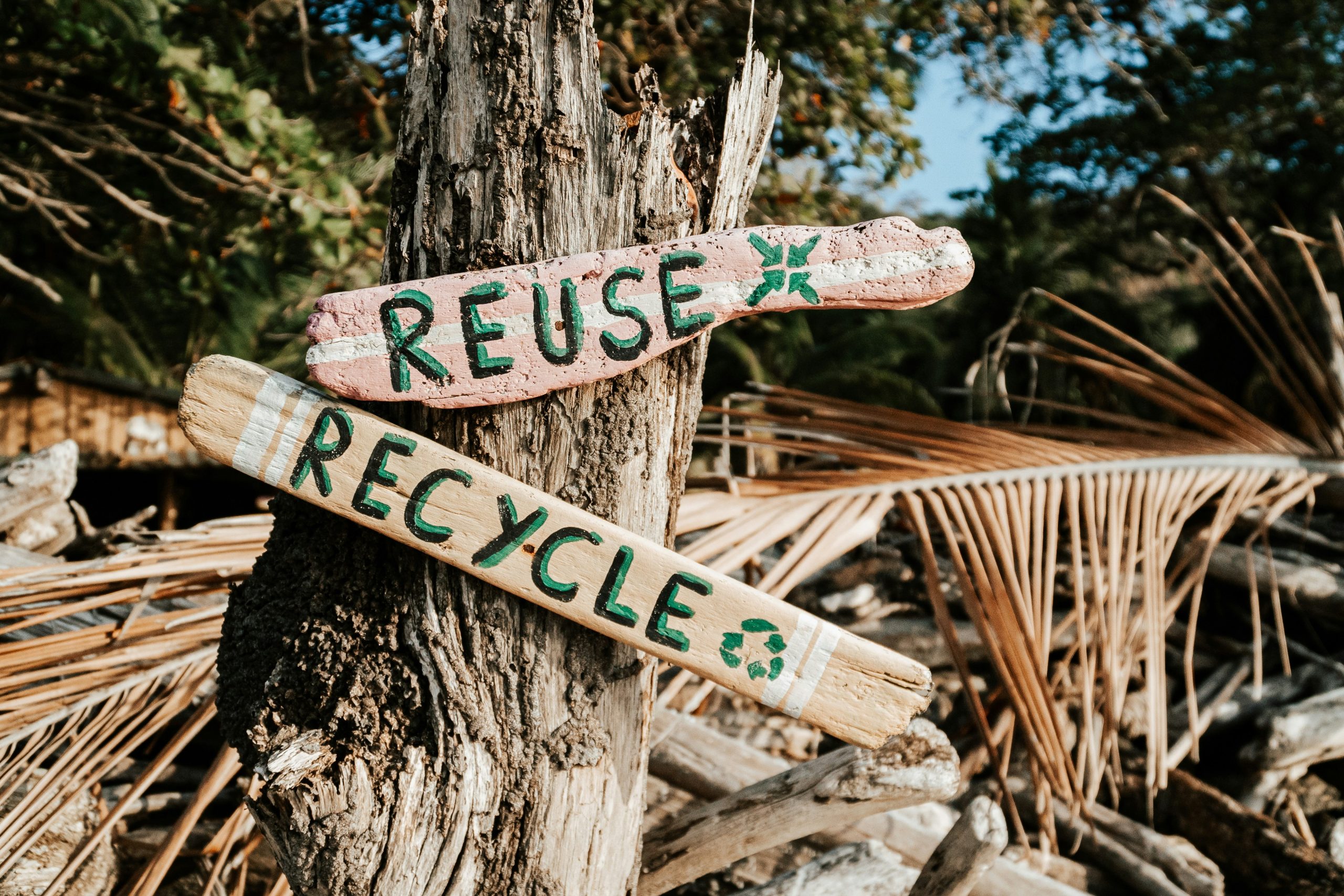
Managing waste effectively is a crucial part of protecting Australia’s stunning natural landscapes, from the Great Barrier Reef to the outback. We are so lucky. While the global standard often cites three or five pillars, framing waste management around the “5 R’s” (Refuse, Reduce, Reuse, Repurpose, and Recycle) offers a clear, actionable framework tailored for the Australian context.
Embracing these principles isn’t just an ethical choice; it’s a practical strategy for businesses to optimize operations and for individuals to minimise their environmental footprint.

1. Refuse: The First Line of Defence Against Waste

The most impactful action we can take is preventing waste from entering our lives in the first place. This pillar emphasizes conscious consumption and making intentional choices.

  • For Individuals: When shopping, politely decline single-use plastic bags (many states and territories have bans anyway). Carry a reusable coffee cup or water bottle. Opt for loose fruit and vegetables at the supermarket rather than pre-packaged items. Say “no” to junk mail by putting a sign on your letterbox.
  • For Businesses: Procurement is key. Businesses can set policies to refuse excess packaging from suppliers, or partner with suppliers who offer take-back schemes for crates or pallets. Opt out of printing documents unnecessarily, relying instead on digital systems compliant with the modern workplace.

By simply refusing what we don’t need, we stop the waste stream at its source.

2. Reduce: Minimising Our Material Footprint

When refusal isn’t an option, the goal becomes reduction. This pillar is about using less of everything and making what we do use last longer.

  • For Individuals: Buy only the food you need to avoid the massive problem of food waste, which often ends up in landfills producing methane. Plan meals, use a shopping list, and store food correctly. Repair broken electronics, furniture or clothing instead of instantly replacing them.
  • For Businesses: Lean operations are inherently sustainable. Optimise production processes to minimise scrap material. Conduct energy and water audits to significantly reduce resource consumption, which cuts overheads and waste simultaneously.

Reduction is a continuous process of optimising our resource use.

3. Reuse: Extending a Product’s Active Life

Before an item is discarded, consider if it can serve another purpose in its current form. The reuse pillar focuses on diverting items from landfills by giving them a second life.

  • For Individuals: Shop at local op shops (opportunity shops) for clothes, furniture, and homewares. Donate your own unwanted goods to charities like the Salvation Army or Vinnies (St Vincent de Paul Society), giving items a new home. Repurpose glass jars for pantry storage or use old towels as cleaning rags.
  • For Businesses: Create internal programs for reusing office supplies like binders or folders. Explore second-hand commercial furniture markets when fitting out a new office, or donate surplus IT equipment to community groups when upgrading.

Reuse saves the energy and resources required to manufacture new products.


Frames For Your Heart Scopwasdxqw Unsplash


4. Repurpose: Creative Transformation

Repurposing is closely related to reuse but involves transforming an item for a different use than its original intention. It’s the creative application of materials that might otherwise be considered waste.

  • For Individuals: Turn an old suitcase into a pet bed, an empty paint tin into a stylish planter, or single-use plastic bottles into a vertical garden system. Sites like Pinterest are full of “upcycling” ideas that save money and inspire creativity.
  • For Businesses: This can involve using discarded shipping containers as portable site offices or storage units. A cafe might use old coffee bean sacks as rustic upholstery or decoration. It’s about seeing waste as a raw material for ingenuity.

Repurposing diverts materials from landfill and can add unique value and character to spaces and products.

5. Recycle: Closing the Loop

Recycling is the final action for items that cannot be refused, reduced, reused, or repurposed. It’s the process of breaking down used materials and manufacturing them into new products.

  • For Individuals: Familiarise yourself with your local council’s yellow-top bin guidelines. Use the national RecyclingNearYou website by Planet Ark to find specific drop-off locations for items not accepted in kerbside bins, such as printer cartridges, batteries, and electronic waste. Look for the Australasian Recycling Label (ARL) on packaging to sort correctly.
  • For Businesses: Implement clear internal recycling stations. Explore commercial e-waste recycling services for obsolete technology. For businesses producing large volumes of specific waste streams (like cardboard or soft plastics), contacting a commercial waste provider for a dedicated service is essential. This is where Wasteman can help provide a solution for you.

Embracing the Hierarchy

These five R’s form a waste hierarchy for sustainable living and operating. By prioritising the top of the hierarchy (Refuse and Reduce), we can drastically decrease the amount of material that ever reaches the Recycle stage.For all Australians, embracing these 5 R’s isn’t just about environmental compliance; it’s about smart, sustainable living and operating, ensuring our beautiful country remains clean for generations to come.

How Wasteman can Help Close the Loop on the 5R’s

Which of the 5 R’s could you or your business focus on improving?

Don’t let waste worries weigh you down, give us a call to assist you in lightening the load of the 5R’s.

If you’re interested in learning how Wasteman can help you or your business close the loop, please reach out to set up a time to talk with one of our team today.


Beyond the Bin: The Critical Importance of Professional Product Destruction in Australia

Beyond the Bin: The Critical Importance of Professional Product Destruction in Australia

In an era of conscious consumerism and stringent environmental regulations, what happens when a product reaches the end of its life cycle, fails quality control, or, most critically, poses a security risk? The answer isn’t a simple trip to the nearest skip bin. In Australia, the process of secure product destruction is a vital, sophisticated industry designed to protect brands, prevent fraud, and meet legal and environmental obligations.

For both businesses and individuals dealing with sensitive items, understanding the mechanics of product destruction is essential for operating ethically and legally in the Australian market.

What is Product Destruction and Why is it Necessary?

Product destruction is the process of permanently and irreversibly destroying goods to ensure they cannot be resold, reused, or fall into the wrong hands. It’s about maintaining integrity in an increasingly complex supply chain.

The necessity of this process is driven by several key factors:


1. Brand Protection and Security

Counterfeit goods are a global problem, and Australia is not immune. When products are faulty, expired, or have reached a recall status, they must be destroyed to prevent them from being reintroduced into the market as genuine articles. Uncontrolled disposal can lead to intellectual property theft or grey-market sales, eroding customer trust and brand value.

2. Compliance and Regulation

Australia has strict regulations regarding the disposal of certain materials. Electronic waste (e-waste) often contains hazardous substances like lead and mercury. Simply landfilling these items is illegal and harmful to the environment. Specialized product destruction facilities ensure disposal complies with federal and state environmental protection authorities (EPAs).

3. Data Confidentiality

Many products contain sensitive data. Hard drives, USB sticks, old mobile phones, and even branded uniforms can pose a significant data breach risk if not destroyed correctly. Professional destruction services offer certified data wiping and physical shredding to ensure confidentiality.


Who Needs Product Destruction Services?

While individuals rarely require commercial product destruction services, several Australian industries rely on them heavily:

  • Pharmaceutical and Healthcare: Safe disposal of expired medicines, medical devices, and biohazardous materials is critical for public safety.
  • Fashion and Retail: Destroys counterfeit items, faulty stock, or items that need to be removed from the market to maintain brand exclusivity.
  • IT and Electronics: Securely destroys redundant IT assets to prevent data breaches and comply with e-waste regulations.
  • Government and Finance: Destroys sensitive documents, branded uniforms, and obsolete security equipment.

Photo 6770 4

The Secure Destruction Process in Australia

Engaging a professional, accredited product destruction service in Australia ensures transparency and compliance. The typical process involves several secure stages:

Step 1: Secure Collection and Transport
Items are collected from your premises in GPS-tracked vehicles and sealed containers, providing a secure chain of custody from your door to the destruction facility.

Step 2: Destruction Method
The appropriate method is chosen based on the material. This might include high-impact shredding, granulation, incineration (for biohazards or highly sensitive materials), or degaussing (for data wiping). The goal is irreversible destruction.

Step 3: Certification and Reporting
This is a critical step for compliance. Upon completion, clients receive a Certificate of Destruction (COD). This legally binding document details what was destroyed, when, where, and by what method, providing an audit trail for regulatory bodies.

Step 4: Resource Recovery
The modern Australian approach integrates the circular economy. Post-destruction, materials are segregated. Metals are sent to smelters, plastics are baled for recycling, and paper is pulped. The emphasis is on maximising resource recovery rather than simply landfilling the shredded waste.


Choosing the Right Provider: Key Australian Standards

When selecting a product destruction provider, businesses should look for adherence to Australian standards:

  • AS/NZS 3548: Related to IT asset management and destruction.
  • ISO 14001: Environmental management certification, ensuring sustainable practices.
  • NAID AAA Certification: While a U.S. standard, many global firms operating in Australia adhere to it, providing robust security protocols for data destruction.

For a directory of accredited providers across Australia, the Waste Management and Resource Recovery Association of Australia (WMRR) is a valuable resource for finding ethical and compliant partners.

A Final Word on Responsibility

In Australia, we have moved beyond a linear “take-make-dispose” model. Responsible product destruction is the final, crucial step in a product’s lifecycle, ensuring that while the product itself is gone, its impact on your business reputation and the environment is minimised.

By engaging professionals like Wasteman Rubbish Removal, we can ensure that unwanted goods are handled with the security and integrity the process demands, safeguarding assets and our unique environment for the future.

Let our team guide you through to your custom solution.